Blog Archive

Showing posts with label tips for indie-publishing. Show all posts

Tuesday, September 12, 2023

Going from Traditional Publishing to Indie Publishing: Author Interview with Tricia Gardella

You have a degree in Ancient History and Classical Archaeology which is far from writing contemporary stories for kidsWhat made you decide to start writing kids books? 
 
I didn’t start out to write picture books but one day one of my critique group pointed out that everything I wrote seemed to be targeted at seven-year-olds. And she was right. I often wonder if it’s because I have never quite grown up or because I’m fascinated by how and what young people choose  to absorb  when learning.

How long does it take you to complete a book? 
Depends. Some only take minutes. Some have taken years. One I have been working on in my head for more than thirty years and wonder if I will ever write it. And it’s probably the one I’ve always wanted to write the most. One of these days I’m just going to have to admit it doesn’t fit my genre. Then, maybe, it will get written.

I always do a rough draft. My favorite part of writing is revising, which I seem to do until the minute the book is published. But I’ve had a couple books that worked just right from the beginning and maybe took a half hour to write. There are not very many words in a good picture book but they need to be the right words.
 
You publish as an indie author. Did you personally design the full book, or did you have assistance from others? 

I'm not the usual indie picture book author. I’ve been writing for more than 35 years. I began with traditional publishers in the 90s then, beginning in 2000, I took a 20-year sabbatical. By the time I had enough of my ice cream parlor/gift shop, I thought I was too old for publishing as it had taken five years between books in the 90s and I wondered how many five years I had left? Then I discovered and fell in love with indie. I love the control. I don’t love that all the marketing falls on my shoulders. But I do love a challenge and feel determined to figure it out. Imagine how good that will feel. Anyway, that’s what I keep telling myself.

How have you found your illustrators?
I might be in ‘control.’ but I knew from the get-go that I would need help. I love choosing my illustrators. It’s hard to explain, but I get a feeling from the start if I’m going to be able to work with them. So far, so good -- except for two cases early on. So far, I’ve worked with ten illustrators, several more than once, and have been thrilled that our visions for the book match—only better. Micro-managing is the worst thing you can do. But if there is something that you question, or doesn’t work for you, say something!! You are the publisher.

My illustrators usually do my cover designs and I like to have them done early on so they can be up on KDP while we are working on the book. Not all covers have stayed exactly the same but so far I like how this is working.

I also have a book designer. They edit, ‘map’ some of my books, and publish them. I have no idea if I am doing things right but publishing my paperback and hardback with IngramSpark and my ebook with KDP exclusive works the best. It took me a while to figure out why anyone would do a picture book as an ebook but it sure comes in handy for reviews etc.

How did you find those people to help you? 
I found ‘my people’ on the internet. When COVID first put us in lockdown, I couldn’t travel so I wrote a memoir. The Quest came out August of 22. My first indie book. And I made a very smart move. I hired an editor from Reedsy who impressed me with her background.What I loved most was that she lived in Bend, Oregon. Sort of rural, I thought. And I live on a ranch so I felt I had found a soulmate. And along the way, she mentioned that she was married to a book designer. Once again I had fallen into something just right.
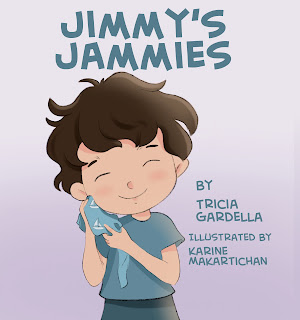
 
What was the hardest part of putting together your books?

Putting together my books is the easy part. The difficult part is learning how to market. Unknown indie publishers may as well be throwing a cup of water into the ocean. Who is going to notice unless there is something special about (or in) that cup of water? There are so many books on Amazon. Unless you have the correct spelling of the author's name or book title you are seeking, it may be difficult to find it with all the other competing books. Eventually you might get there. But how many people are going to spend the time searching when they come across so many others on the same subject?
 
What do you know now about publishing you wished you had known sooner?
I wish I knew better early on where to look for help. There are a zillion authors out there who may have had a bit of success giving gullible first-timers the impression they are experts and you should buy their books or services. But be choosy about what you follow and be careful who you hire. There are organizations like ALLI that are very helpful though they have been slow to get into children’s writing. But they vet everything and are worth their tuition.
That’s another thing to keep in mind. Historically, writers for children have been at the bottom of the pile and I don’t get it. If children don’t appreciate good books when they are young, how much are they going to read when they get older? This is something that has bugged me for years.
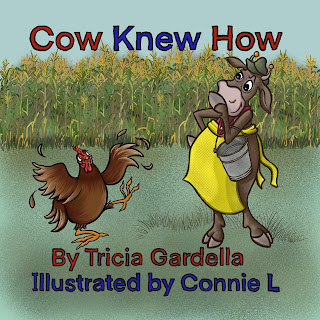
 
What is the best writing advice you’ve received or could give?

Try to find a 
writers critique group in your genre or put one together. I live on a ranch in a rural area and have few of the benefits urban writers have. But one of the best things that every happened to me was discovering SCBWI. Each year I attended their annual conference in Los Angeles. I knew no one when I walked in the door, yet I knew this is where I belonged. It was through SCBWI that I met my "Write Sisters," all beginners. I remember sitting in the audience with them and listening to impressive speakers. 

We giggled like school kids thinking that one day we would be one of the speakers.  For more than ten years we gathered at Ann Paul’s home for pre-conference critiquing. My "Write Sisters" include Ann Paul, Kirby Larson, Mary Nethery, Dian Curtis Regan, Vivian Sathre and Helen Ketteman. Many are award-winners and sought after speakers to this day. They are all traditionally published. But they have always accepted me as the odd-(wo)man-out. Bless their hearts.
 
Are there any other points about writing you would like to add?
I thank you for the chance to talk about something that has bugged even before I began indie-publishing. So many people think it’s enough to have an idea. Picture books are a product. A work of art.  Every single thing you publish needs to be the best it can be and I read book after book that might be cute, or whatever, if only it had been done right. 

I know all writers have heard “show, don’t tell.” Showing whenever possible is especially important in picture books. It's about action, conflict, resolution. And I can’t believe all the author explanations I’m seeing before the book is even read. Nothing turns a child, or a parent, or a teacher off faster than being  told what the book is about before they even read it. Your words, your illustrations, if done well, should be able to do that job. Author notes at the end of a book often work fine. People do like to know why and how.

Don't forget to edit. When lots of errors show up, it makes the book seem unprofessional. But even if you edit, you can still miss something. 
I know how easy it is to miss somethingtthat from my own experience. One day my daughter came in and said, “I was reading Frogs Go Diving for the hundredth time to the grandkids. Did you know there’s an extra "t" in the frogs go diving eight by eight.”  

I’d missed it. My editor missed it. My daughter missed it in her many readings. Here’s the wonderful thing about POD. I contacted my illustrator who also published that book and by the next morning the problem was resolved. I had no idea that could be done. Couldn’t happen with traditional. If anyone complains, I can replace their book.
 
What is the next book coming out? Can you give me some details? 

My newest release is Where’s Gramma?  This book was originally written when I only had four grandsons. Now I have six grandsons and one granddaughter who are currently in their late twenties. How could that have happened?

Where’s Gramma? Is part of my Gran Collection. I’m publishing a book specific to each of my grand children and great grandchildren.  And I have four more books due out before Christmas. We’ll see if I succeed.  

I've just started an online store.  advise everyone to get their website up early in their journey. It’s your gathering place. It’s your ‘bragging place.’  I wish I had put mine up earlier.

That's all for today's interview. If you'd like to learn more about Tricia's books, here are some links to get you started.

And here's a special tip for my readers... Subscribe to her newsletter on her website and you'll get free activity sheets for kids and you'll get updates on when she's posting a "free" day for one of her books, if you're not part of kindle unlimited.

Tuesday, October 13, 2020

Writing is a Discipline: Author Interview with Louise Guy

You wrote a 10 middle-grade series in your Minecraft storyline as an indie-publisher. What made you decide to go indie? 
Going indie with the Crafters’ Club books was an easy decision. I was desperate to get my nine-year-old Minecraft obsessed son reading, and the traditional publishing route would have taken too long. If a publisher had taken the books on, I’m guessing it would have been twelve to eighteen months from contract to publication (if I’d even been lucky enough to get a publisher). 

My son might have lost interest in Minecraft by then! Selling books wasn’t my initial goal with this series. Getting one boy reading was! I made him a main character and asked for his input along the way. I was also keen to try my hand at self-publishing and realised this was the perfect series to get that experience.

What tips would you offer someone who wants to go indie to help save them from unnecessary pitfalls?
As far as tips for indie publishing, in addition to a quality story and professional edit, covers and blurb are critical. Don’t skimp on editors or covers. You’re competing with the traditional publishers, so want to ensure your quality is as good, if not better. Join Facebook groups that share information on indie publishing. The 20booksto50K group has excellent resources, as do many other genre specific groups. Indie authors are usually very open to sharing their information, so tap into groups you can learn from.

I have found that middle-grade fiction is much harder to sell as an indie publisher than my women’s fiction. Ideally, you want middle grade in paperback format in the book shops. I sought out distribution for the Crafters’ Club series, which meant they were prominent in Australian bookstores.

While doing those MG books you also wrote women’s fiction. Why did you add a second genre to your writing? 
I was writing women’s fiction before embarking on the Crafters’ Club series. I’d submitted one of my books and had experienced my first taste of rejection and made the decision to put my women’s fiction on hold and make an attempt to get my son reading. As I began writing the Crafters’ Club, I realised that the market potential was much bigger than just my son.

Which sells better -- your MG books or women's fiction?
Of the two genres, my women’s fiction has produced more sales.

You currently publish through Lake Union, which is an Amazon imprint. They no longer accept unagented submissions. How did you get involved with them?  
My involvement with Lake Union was very unexpected. In November 2018, I woke up to an email of which the subject line was “A fan of your books.” I assumed it was going to be a lovely email from a reader. I nearly fell off my chair when I opened it and read it to find that an editor from Lake Union had read all three of my self-published books and wanted to chat about possible publishing opportunities with Lake Union. 

A phone call very quickly confirmed that they were looking to offer a five-book deal, including re-publishing my three existing titles and two new ones. Lake Union had noticed my books because they’d sat high on the Amazon charts for many months. While I consider myself incredibly lucky to have been discovered by Lake Union, I also acknowledge that it was a combination of hard work and good fortune that created that opportunity.

One of your books, A Winning Betrayal, is a re-publish of a previous book. What type of changes did you make that are an improvement from the first book?
A Winning Betrayal, previously Fortunate Friends, has had an extensive overhaul, whereas the other two books Lake Union are re-publishing are unchanged. The original story saw unusual circumstances bring together three women who form a close friendship and support each other through several difficult situations. 

It was felt that removing one character would bring greater depth to the other two storylines. I enjoyed delving further into the stories of the two remaining characters. New secondary storylines were added, the way they met changed, and why their friendship continued also changed. 

Fifty percent of the book has been re-written. I think people who read Fortunate Friends will read it and enjoy it. It will feel familiar because they know Shauna and Frankie, but the story will seem quite different in many ways. I was given the choice of which character I wanted to remove so it wasn’t a case of one storyline not working, but rather a case of enriching the other two storylines.

Do you have an agent?
No, I don’t have an agent, but it is an area I am currently researching as I would like to work with someone moving forward.


What is the hardest part of writing for you? 
I find the most challenging part of the writing process description. I’ll often leave it out in scenes just put DESCRIBE in that section. It might be someone’s appearance, a location, a feeling even. I like to spend time on the descriptions and find it slows me down too much to write them as I go. I instinctively know when description is required, but it doesn’t flow in the same way dialogue and other parts of the narrative do.

What does your editor remind you to do most often?
To scale back and trim unnecessary detail from scenes, which slows the pace of the novel. If it isn’t vital to atmosphere and scene-setting, as well as plot, then get rid of it!

What’s the best encouragement you’ve had in your writing?
There have been many different ways I feel I’ve been encouraged so far in my writing journey. The first was when I self-published the Crafter’s Club. I’d had a lot of people, particularly other authors, say things to me like “don’t you want a proper publisher” and suggest that the books were inferior because they were self-published. 

The reader reviews and messages I received from both parents and kids who loved the books were a validation that I had a good product that stood up against traditionally published books. Being approached by Scholastic in New York to include two of the Crafters’ Club books in their schools’ book club program was also incredibly encouraging, as was feeling like a rock star when doing school talks and having kids queue for ages to have the books signed. The Lake Union contract has also been a huge encouragement.

We have all experienced rejection. How have you learned to write past it?
My first rejection was the hardest. I’d pitched at a Romance Writers of Australia conference. It was a nerve-wracking experience, but two publishers asked for partial manuscripts. I was elated. I’d been warned it could be weeks or months before I heard back from either of them.

Unfortunately, I heard back from one of the publishers within a week with a very harsh critique, which instantly killed my bubble of excitement. She’d read the first two chapters and decided she hated the characters and wasn’t interested in reading anymore. I certainly hadn’t expected such a blunt response! 

I was quite down initially, but the second publisher contacted me a few weeks later, saying she loved it and wanted the rest of the manuscript. It got as far as an acquisitions meeting but was up against three other books, all fighting for one slot in the publishers’ schedule. 

The most significant learning from this is just how subjective publishing is. What one editor loathed another loved. This is the same with readers, of course, and that’s why knowing who your target market is and what genre expectations they have is essential. It is also important to ignore negative reviews if the majority of your reviews are positive. Of course, if all of your reviews are negative, then it is time to look at your product!

What has surprised you the most in writing/publishing? 
One of the biggest, and nicest, surprises in the writing community, is the willingness of authors to share information. If you are new to writing, do your best to surround yourself with other authors. You will learn so much and feel so inspired by their enthusiasm and achievements. If you are wondering where to find them, Facebook groups for the genre you are write in are a perfect starting place.

What frustrated you the most?
Frustrations? In the early days, I would have said the submission process and pitching to editors. The delay in responding, if responding at all, seems archaic. Other than that, I do occasionally get frustrated when I hear writers make excuses as to why they aren’t writing or have missed deadlines. “I’m just too busy,” doesn’t cut it with me! Being successful comes down to discipline.

What do you know now about writing you wished you had known sooner?
While I worked this out quite quickly, I wish I’d been aware from day one that a traditional publishing contract in a small market such as Australia is unlikely to achieve the same success as self-publishing will. This is not necessarily the same case in broader markets such as the US and UK. 

In Australia, print runs for debut authors are often only three thousand books, and minimal impact is made on the international eBook platforms. One print run where your book is available for three months is a small reward for the time, effort, and energy you’ve put into writing that book! You can achieve much better results self-publishing and targeting bigger markets such as the US and UK.

What is the best writing advice you’ve received or could give?
The best advice I could give is based on what I’ve observed in successful writers. The main ingredient to being successful, I believe, is discipline. It is about scheduling time to write and doing it at that time, no matter what. If you wait to be in the mood, you’ll probably never write a word or take years writing one book. You need to make a plan that works for you as far as when you write and for how long and stick to it.

Are there any other points about writing you would like to add?
I am lucky to have many writer friends, and I think it is important to acknowledge that many of us are on different journeys regarding our writing. Some run their writing as a business, and it is their fulltime income; some want literary reviews and recognition from bestseller lists; others want to see their book on the shelf in a bookstore; while others might just want to be able to print copies to give to family and friends. Whatever your reason for writing, be careful who you compare your output and success with, as it is quite likely you’ll have different goals and be on a completely different journey to them.

What is the next book coming out? Can you give me a short synopsis?
A Life Worth Living is my next book to be released. It will be available on October  15. 

Here is the blurb...Are some white lies simply too big to forgive?
Eve and Leah are identical twins―but beyond that, they're polar opposites. Struggling journalist Leah envies Eve's seemingly perfect life―the loyal husband, the beautiful twin daughters, the stellar career―little knowing that what Eve longs for most is Leah's independence.

When a shocking event upends their world, one woman seizes a split-second chance to change everything and follow her sister down a different life path. It's a spontaneous choice, but there's no going back. How will she deal with the fallout when covering up one untruth means lying to everyone―about everything?

One thing is clear: both twins have secrets, and both just want to be happy. But what price will they pay to live the life they've always wanted?


That's all for today's interview. Hope that blurb piqued your interest. If you'd like to learn more about Louise's writing, here are some links to get you started.

Website: www.louiseguy.com
Facebook: https://www.facebook.com/louiseguyauthor
Amazon: https://www.amazon.com/Louise-Guy/e/B...

Tuesday, April 7, 2020

Getting a Handle on Doing Research: An Interview with George Garrigues


Your background prior to writing your books was journalism. What drew you to writing books?
I write nonfiction; I don’t make stuff up, so it’s just like when I used to be a reporter, except I don’t interview the characters in my books, ‘cause they’re all dead.

I have written two print books before I began with the eBook editions: One was based on the letters and unpublished manuscript left to me by my father, newspaperman C.H. Garrigues; it’s called, He Usually Lived With a Female. The other was for Arcadia Publishing; Los Angeles’s The Palms Neighborhood.

Why did you choose crime stories?
Readers are interested in crime. One of the first lengthy books I ever read was Dostoevsky’s Crime and Punishment. But of course, recently I’ve turned my attention in another direction, which I’ll tell you about below.

How do you choose what stories you’ll write about?
I used Newspapers.com to choose my topics. It’s simple: Just search for some combination of words like “Crime of the century” or “wealthy widow + murder” or “arson + murder + coverup” or “upscale neighborhood” + “mysterious death.” You’ll have more leads than you can handle.

What type of research do you do in writing your book?
Newspapers.com. Ancestry.com. Google Books. Print books already published about the crime, the era, the social milieu, and so forth.

How long does that take?
I aim for months, but sometimes it takes years. I stop researching when the book is published.

Do you have someone else assisting you with editing or research?
Yes, my daughter helps in the research, and she does the editing and the promotion. She is a writer herself. My ex-wife, another editor, also did one of my books.

Tell me about the process.
I usually wait until I have a book completed before she gets it for editing. Otherwise, it’s the old story of “Only a fool shares his unfinished work with another person.”

What advice would you give authors in doing research for historical facts for fiction and non-fiction books?
Keep good records. I usually save my online research or photos I have by beginning their file name with a date; for example “1899.10.15 Smith is slain” or “1910.02.03 Jones photo NYT.”

What made you choose the indie route for publishing?
Right now I can see my own book in print (or in pixels) after several months’ work of researching and writing. (Or years.) But at least I am assured of seeing it out there, and putting it on the market for others to see and enjoy.

What has been the most challenging part about putting together your books?
I am used to writing, so that is not a challenge; it is really the most enjoyable part of the whole endeavor. Second-enjoyable is editing, winnowing, sifting, deleting.

The challenge about self-publishing is getting the thing onto the reader’s screen or into his physical library. I have decided to use a professional conversion surface for both. Even though I use Scrivener to help compose and organize, I won’t use its conversion feature because I am simply not expert enough to do so. Besides, my most recent books have a surfeit of illustrations, and I don’t want to be mucking around with them and the manuscript when an expert can do it much better than I could.

What tips could you offer indie-authors in putting together a book?
Keep well organized. Use file names that mean something to you. (Like my tip about dates, above.)

What’s the best encouragement you’ve had in your writing?
When my daughter told me (recently) that I was a good writer. Before then, it was when I cashed my paychecks from my newspaper employer or employers.

We have all experienced rejection. How have you learned to write past it?
I just figure my offering wasn’t what the editor or publisher was buying at the time. I had that experience just recently, so I’m reworking that particular idea to my own satisfaction and will self-publish. Then it’s just between me and my prospective reader.

What has surprised you the most in writing/publishing?
My surprise relates to other eBook authors: Many of them don’t know the first thing about writing, nor the English language, nor editing and sometimes spelling. One eBook I dipped into was darned good writing, except the author kept misspelling “cavalry” as “calvary,” which, as we all know, if the place where Jesus was crucified, and it takes a capital letter.


Also, I am surprised at how many people write without any concern at all for making their writing understandable to the reader.

Oh, yes: All the clichés!

As far as general publishing goes, I think most publishing houses are excellent, and I am positively impressed by the care taken with covers, typography, and all that goes into good, traditional book making. 
 
What frustrated you the most?
Trying to figure out how to put a manuscript into shape for production without hiring a professional (which I finally had to do).

What do you know now about writing you wished you had known sooner? 

I wish I had known about ProWritingAid, a great software that has really helped to spiff up my writing.

What is the best writing advice you’ve received or could give?
Received? Uhh. Don’t write too long. I remember an editor taking a lengthy story I had handed him and physically cutting off the last half of it (with a sharp-edged ruler). Of course, it was a newspaper article in the inverted-pyramid style, so there wasn’t much lost except for the time it took me to write it.)

What is the next book coming out?
Liberty Bonds and Bayonets: A Marguerite Martyn Story came out as an eBook this month.

Can you give me a short synopsis?
Here’s the blurb:
Clair Kenamore was a reporter with a camera on the Western Front; Marguerite Martyn carried an artists’ sketchbook at home. They were husband and wife; World War I forced them apart.

He reported what he saw, doughboy Sammy Goldberg coming back from the trenches with seventeen German prisoners. blond French girls throwing flowers and flirting in German with boisterous American troops. Men dying.

Her imagination soared. Fashionable women wearing fanciful war-themed hats. Befuddled diners wondering how to get around wartime food regulations. Fearful women asking: Marry before he goes overseas, or wait ’til he’s home?

You smile, too: Santa Claus checks a shopping list. A uniformed cupid challenges a draft-dodger. A busybody woman peers through a periscope. Camp followers get booted. And a “peach” eats a peach.

Sounds like an intriguing book. If you’d like to learn more about this one or George’s other works, here are some links to get you started.


Tuesday, January 21, 2020

Searching for the Right Publisher: Author Interview with Brenda Garza

Prior to writing your first novel, The Beach House, what writing credits did you have? Who encouraged you along the way?
In college literature I had to write two short stories both received an A.  I have written patient literature for take-home pamphlets. And I wrote a pamphlet for a Christian organization to hand out during their outreach programs.

That’s a stretch to go to a full-length book. What made you decide to write your first novel?
The Beach House was actually planted in my heart many years ago when I was working in an operating room.  It was a pediatric case.  The case was going smoothly.  As I looked around the room there where Disney characters everywhere.  I heard in my spirit:  the children know all about Donald Duck and Mickey Mouse.  But they don’t know about Me and My Son Jesus.  I thought then, someone should write books about God and His Son that children could learn about them in their everyday lives.

How long did it take you to write your first book?
It took me 5 + years to write my first book.  With many rewrites along the way.

Who encouraged you to keep writing?
When I told my husband, I was going to write a book.  “He said it’s good to put your thoughts down on paper.”  Several years later when I shared with him that my book was going to be published. He said, “what book?”

My real inspiration and encouragement along the way was God, Jesus, and The Holy Spirit.

How did you go about finding a publisher to indie-publish your books? What has that experience been like?
My book, The Beach House was actually published by Life Rich Publishing.  This was by default.  Westbow publishing was my original publisher, however, they said I broke the “God Clause.”  So, they turned me over to one of the sister companies.  I will never again use Westbow or Life Rich Publishing.  

It took them forever to answer my questions and concerns.  I was always passed around from person to person.  Their editing team was very poor.  They moved characters around to different scenes.  And they missed large spelling and grammar errors.  In fact, I had to have it edited again and republished.   

My book, Shell Cove was published by Outskirts Publishing.  This company was chosen after much research.  They were great.  They responded in a timely manner to all my questions.  Their market team was very helpful.

What is the hardest part of writing for you?
The hardest part for me in my writing is finding quiet time to write.

What does your editor remind you to do most often?
My editor reminds me most often about proper tense.  

What’s the best encouragement you’ve had in your writing?
My best encouragement in my writing comes from my husband, Jesse.  And from my readers.  They are great.

We have all experienced rejection. Give me an example of one you’ve had, and how you learned to write past it.
My first and most unbelievable rejection was from Westbow Publishers. 
God got me past this.  I was really hurt by their lack of understanding.

What has surprised and frustrated you the most in writing/publishing?
What surprised me the most is what it takes to actually go from writing your book to actually seeing it in print.  Navigating the indie publishing companies has been the most frustrating.

What is the best writing advice you’ve received or could give?
My best advice I can give and also, I have received.  Always write from the heart. 

What is the next book coming out?
My next book, Starfish Island, The Beginning. Hopefully, this will be out this spring.  
  
Can you give me a short synopsis?
A battle between good and evil is raging in the small village of Ramsgate, England. When the orphanage moves from a tiny house to a large manor, the children of the orphanage are placed right in the middle of the battle. Here, they will learn angels and demons really do exist.

Jonathan Judge believes God to be a caring, loving, and forgiving God, unlike the God, Pastor Finley preaches; one of punishment and vengeance.

Twelve families leave Ramsgate for an unknown destination. God will reveal the destination in good time. Captain Mize has agreed to take them. If it wasn’t for the money, he would never have allowed women and children on his ship. His men, especially his cook feel he is making a big mistake.

Their new homeland has everything they could ever want. The adults are unaware of the inhabitants already on the island. The demons were sent to the island many years ago. Their mission is to stop the humans from succeeding in a battle against them. The demons aren’t aware that their battle will be between them and the children from the orphanage. 

The children have been preparing and involved in spiritual warfare since they moved into the manor house. The spiritual battles there were only “child’s play” compared to the battles that lay ahead.

Sounds intriguing! If you’d like to learn more about Brenda’s books, here are some links to get you started.